


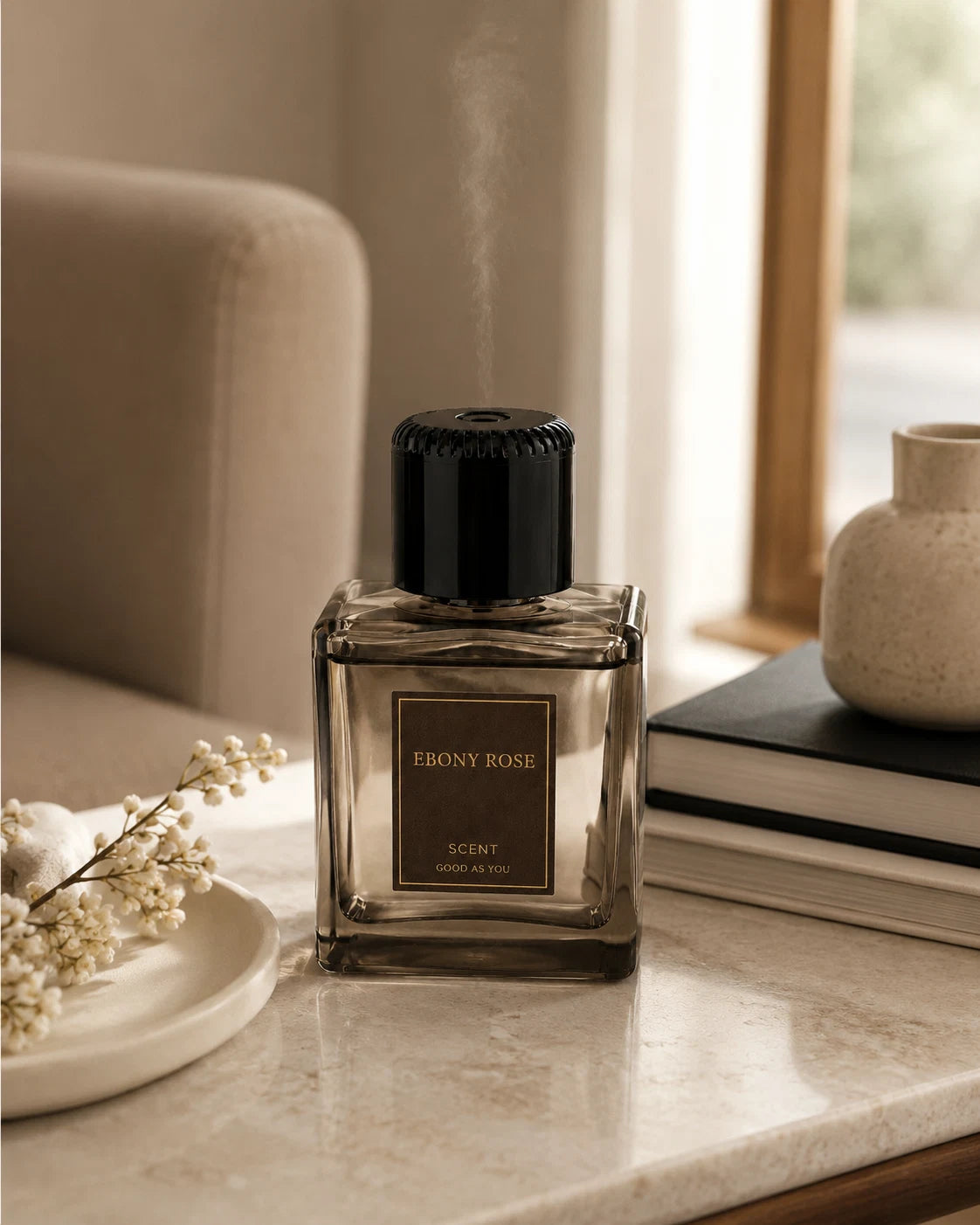
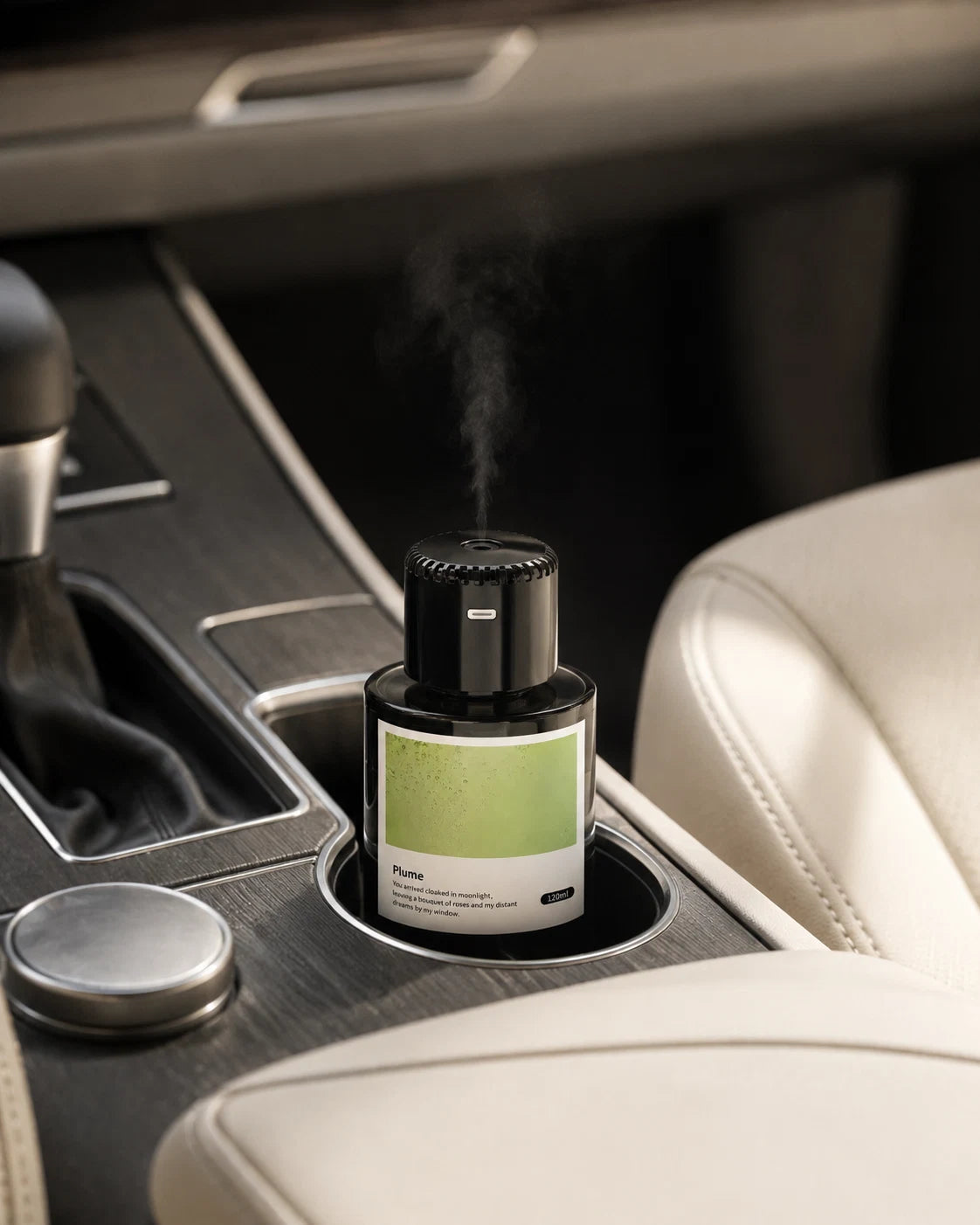

What is a scent diffuser? It is a device or passive format that releases fragrance into the surrounding air over time. Different diffusers use evaporation, airflow, water-based mist, or controlled fragrance release, so the category describes a purpose rather than one single mechanism. Understanding those formats helps you choose without treating every diffuser as interchangeable.
What is a scent diffuser designed to do?
A scent diffuser creates an ongoing or repeatable fragrance presence in a defined space. Unlike a single manual spray, it is intended to release scent gradually, continuously, or at controlled intervals. The experience depends on the fragrance material, release method, placement, airflow, room conditions, and how long people occupy the space.
A diffuser does not remove the need for ventilation or cleaning, and fragrance should not be used to conceal an unresolved odor source. Its role is atmosphere and scent delivery, not air purification unless a verified product specifically supports another function.
How fragrance diffusion works
Diffusion is the movement of fragrance molecules from a more concentrated source into the surrounding air. A passive system relies on evaporation and natural air movement. An active system may use airflow, mist, vibration, or controlled dispensing to influence when and how fragrance is released.
Release method affects the routine. Passive formats may be simple but offer limited adjustment. Active formats can provide more control but require power, setup, refilling, or maintenance. The mechanism does not decide whether a scent will feel pleasant; fragrance choice, intensity, placement, and personal preference remain important.
Main types of scent diffuser
| Format | Basic mechanism | Typical reason to consider it | Main condition to check |
|---|---|---|---|
| Reed diffuser | Reeds draw liquid upward for passive evaporation | Simple continuous fragrance without power | Limited immediate control and spill placement |
| Ultrasonic diffuser | Vibration creates a water-based mist | A mist-based ritual with timed sessions | Water reservoir care and permitted fragrance material |
| Waterless diffuser | Releases fragrance without a water reservoir | A water-free operating routine | Specified refill, outlet care, and placement |
| Automatic diffuser | Dispenses fragrance in controlled cycles or modes | Repeatable output with less manual activation | Controls, refill compatibility, and maintenance |
| Heat-based format | Uses warmth to encourage fragrance release | A particular fragrance ritual or format | Heat safety and product instructions |
 For more detail on controlled release, see the automatic scent diffuser guide. The waterless scent diffuser guide explains that format without turning this overview into a product tutorial.
Common scent diffuser applications
People use diffusers to create a consistent entryway impression, support a calm personal routine, add fragrance to a living area, or make a workspace feel intentional. The same format will not fit every application. A small room may need a conservative passive or adjustable source, while an open shared area may require more deliberate placement and household agreement.
Car use is a separate environment with movement, heat, controls, and visibility constraints. A product should be used there only when its instructions support that context. Likewise, damp rooms, kitchens, children’s spaces, and pet households may require additional caution and product-specific guidance.
How a diffuser differs from an air freshener
“Air freshener” is a broad category that can include sprays, gels, hanging formats, vent products, and other fragrance sources. A diffuser is more specifically associated with spreading fragrance through a passive or active diffusion process. The categories can overlap in everyday language, so the useful distinction is the release method and user control.
The scent diffuser versus air freshener comparison examines that decision in detail. This definition page stays focused on what the diffuser category includes.
Automatic, passive, waterless, and mist formats are not interchangeable
A reed diffuser releases continuously and is adjusted mainly through placement, reed count, or product-specific practices. An automatic diffuser controls release through its operating mechanism. A waterless format avoids a water reservoir, while an ultrasonic diffuser uses water to create mist. These differences shape setup, maintenance, control, and compatible fragrance material.
Do not pour a fragrance intended for one format into another unless the instructions explicitly permit it. The automatic versus reed diffuser guide and perfume versus essential-oil diffuser guide help resolve narrower format questions.
How to choose a scent diffuser format
- Define whether you want continuous passive scent or adjustable active release.
- Identify the room, airflow, occupied hours, and people sharing the space.
- Decide how much setup, refilling, and cleaning you will maintain.
- Verify which fragrance material the format permits.
- Check power, water, heat, or placement requirements.
- Start with conservative intensity and observe the actual space.
This is a format decision, not a product ranking. After you know the mechanism that fits, move to a dedicated comparison or buying guide rather than choosing from the word “diffuser” alone.
 Practical limitations and safe expectations
Fragrance perception varies. Room volume, ventilation, temperature, placement, and personal sensitivity can change the experience. A diffuser may not create an identical result in two rooms, and stronger output is not automatically better. Keep the outlet clear, follow the specified refill and maintenance instructions, and stop or reduce use if the space becomes uncomfortable.
Related next step: choose the format that fits
After identifying the release method you prefer, compare the format with the room, maintenance routine, and permitted fragrance material. Product information should confirm materials, controls, placement, and operating conditions before use; this definition alone cannot establish compatibility.
Frequently Asked Questions
What does a scent diffuser do?
It releases fragrance into nearby air gradually, continuously, or through controlled operation, depending on the format.
What types of scent diffuser are available?
Common formats include reed, ultrasonic, waterless, automatic, and some heat-based systems. Their setup, control, compatible materials, and maintenance differ.
How is a diffuser different from an air freshener?
A diffuser describes a fragrance-spreading mechanism, while air freshener is a broader category covering many delivery formats. The practical difference depends on release method and control.


Zostaw komentarz
Ta strona jest chroniona przez hCaptcha i obowiązują na niej Polityka prywatności i Warunki korzystania z usługi serwisu hCaptcha.