


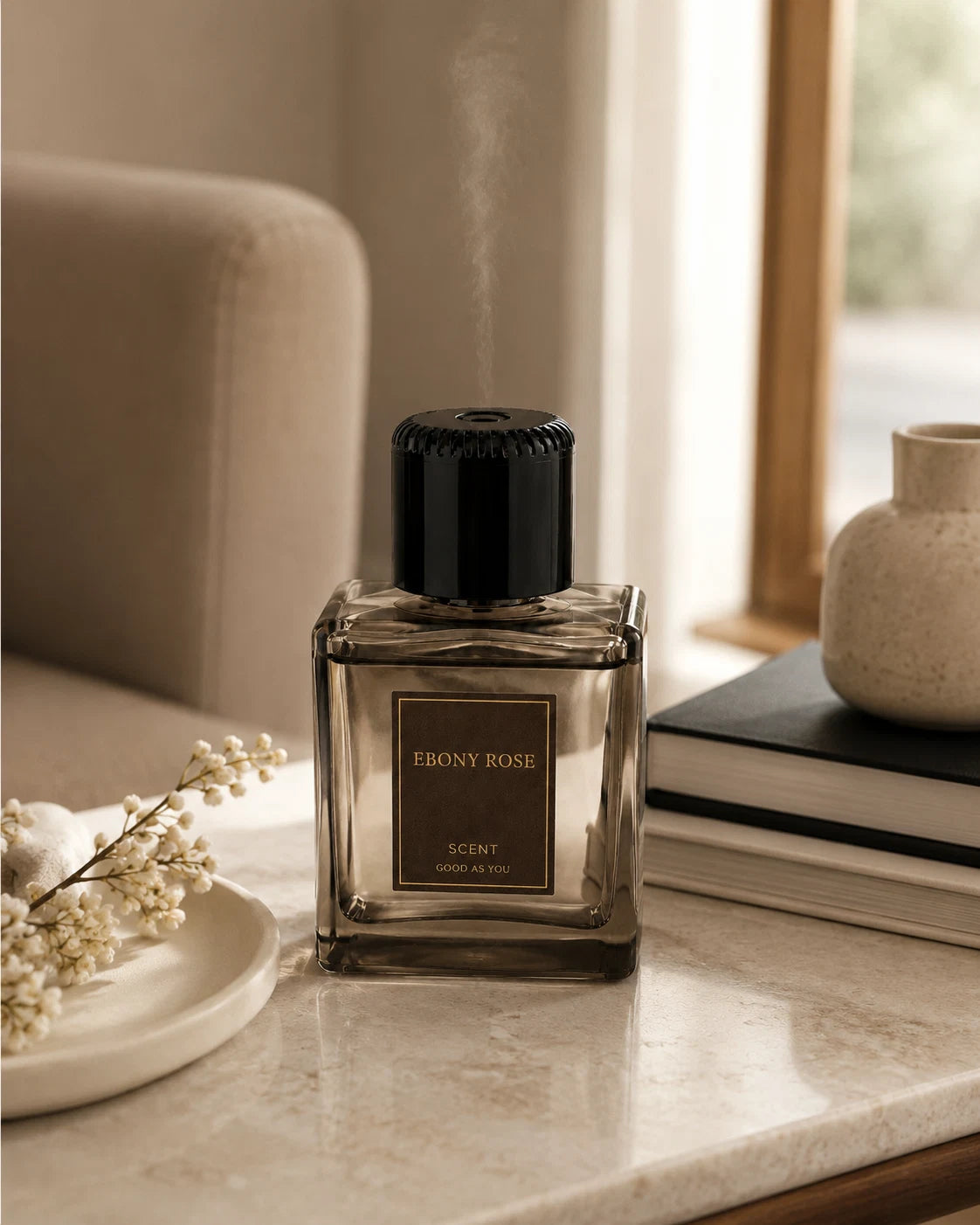
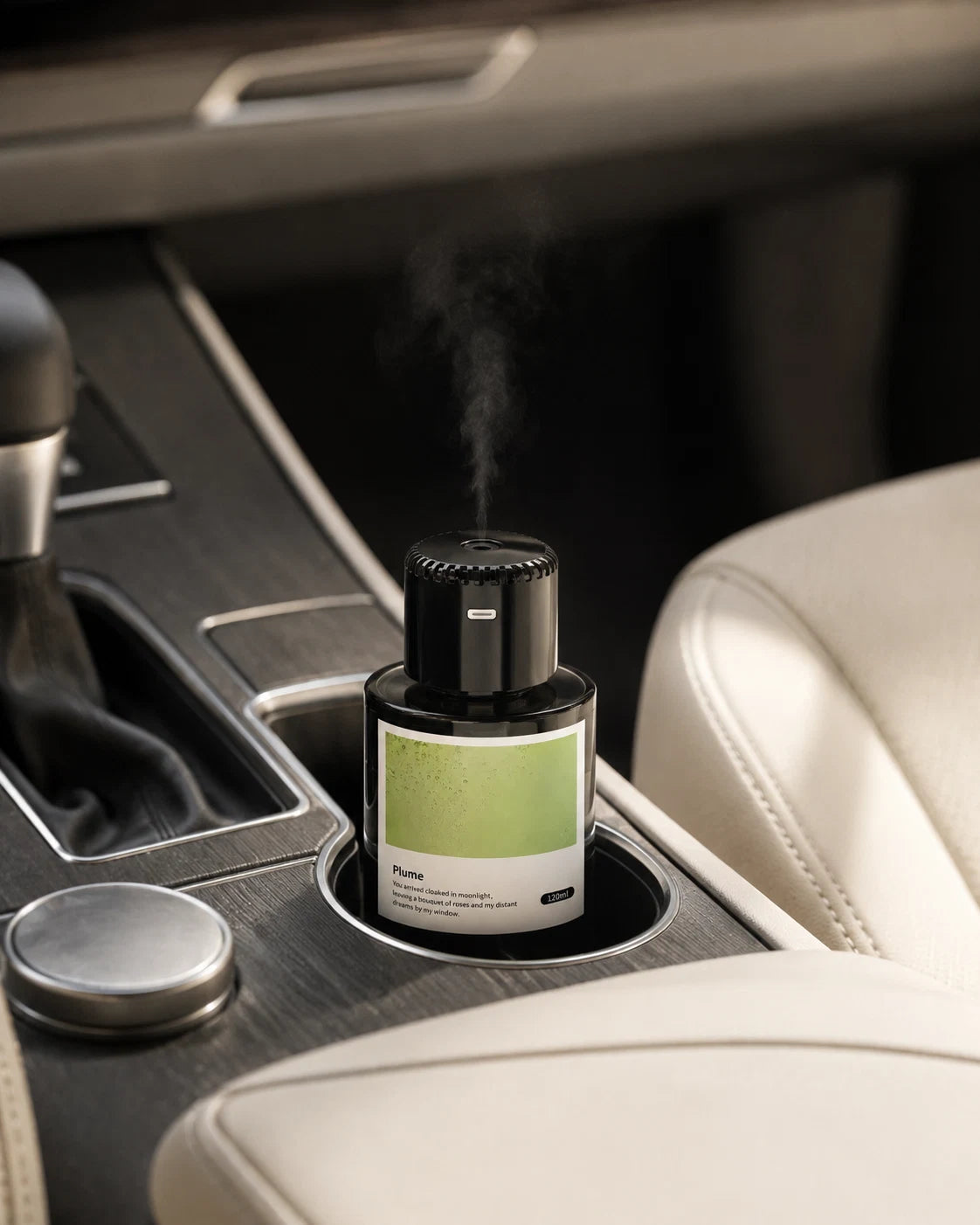

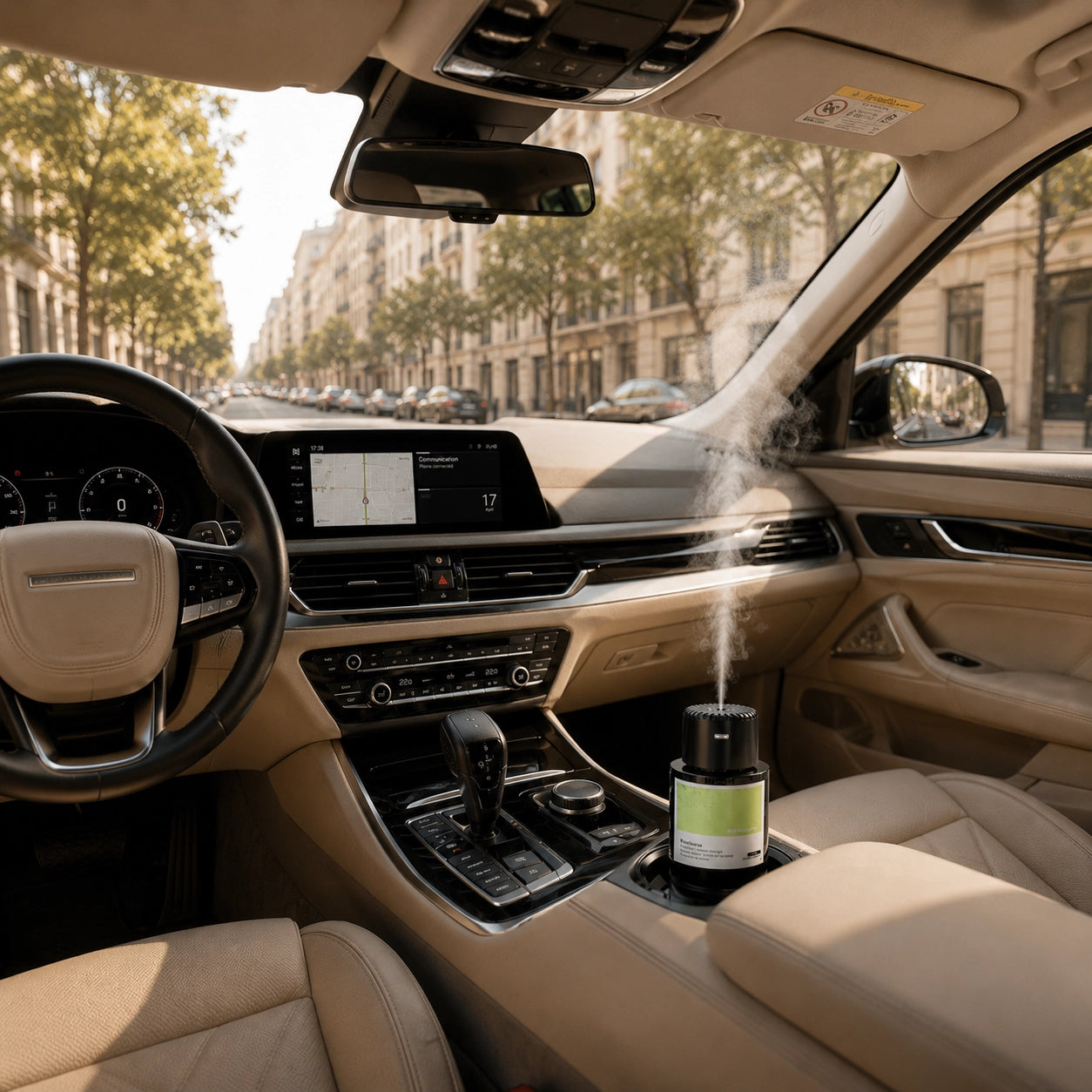


A bedroom that smells pleasant at bedtime can feel overpowering by morning. A car can go from barely scented to too strong after sitting closed for an hour. That is the practical problem an automatic scent diffuser is meant to solve: it releases fragrance for you while giving you more control over when and how much is released.
The confusing part is the name. “Automatic,” “electric,” “smart,” “waterless,” and “ultrasonic” are often used as if they mean the same thing. They do not. This guide explains the differences, shows how automatic diffusion works, and gives you a simple way to choose a device for a bedroom, desk, entryway, or car.
What Is an Automatic Scent Diffuser?
An automatic scent diffuser is a powered device that releases fragrance without requiring you to spray it by hand each time. Depending on the design, it may release scent at timed intervals, run for a set period, or let you choose between several output modes.
The most important detail is the fragrance mechanism. One device may turn diluted essential oil and water into a visible mist. Another may use a dedicated liquid refill and produce a brief micro-mist. A third may dispense an aerosol spray. The label on the front is not enough; the refill instructions tell you what kind of device you actually have.
How Does an Automatic Scent Diffuser Work?
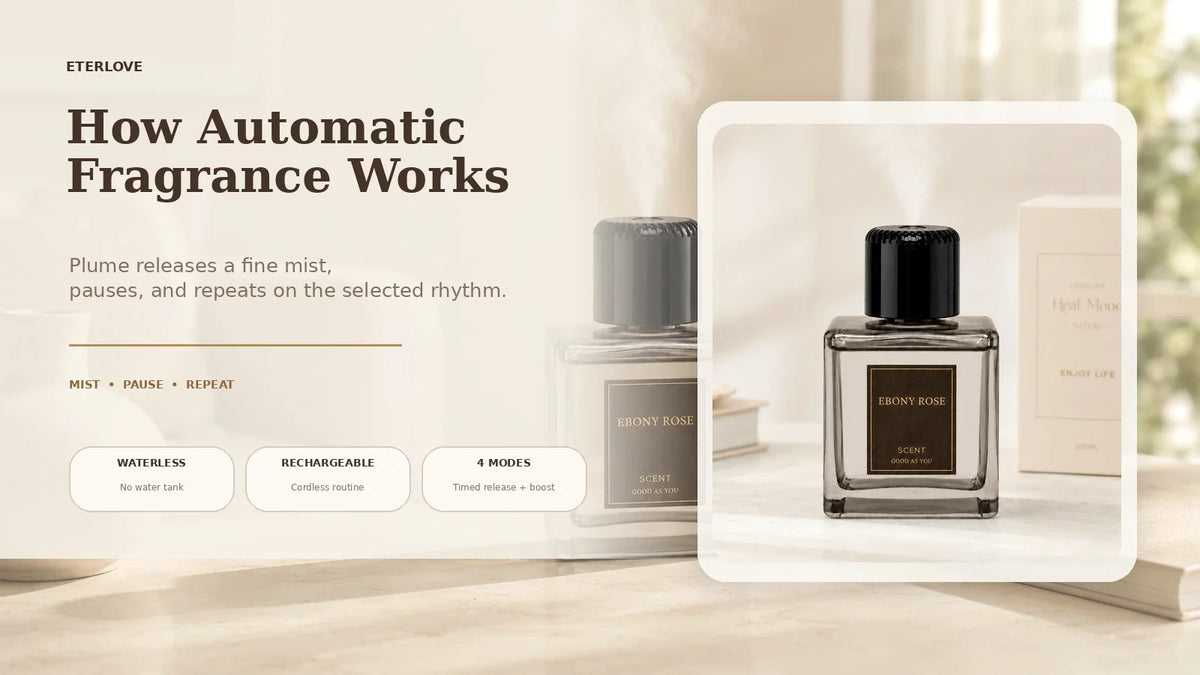
The basic method is simple: a power source runs a small dispensing mechanism, and the device releases fragrance according to its controls. The exact process depends on the format, but a careful first setup follows the same logic.
- Confirm the refill system. Use only the liquid, cartridge, or canister intended for that device. Do not assume water or ordinary essential oil is compatible.
- Choose a stable position. Keep the device upright and away from edges, fabrics, and surfaces that could be affected by direct mist.
- Start with the lowest practical mode. Small enclosed spaces usually need less output than open rooms.
- Let the space settle. Fragrance can accumulate. Give the room or car time before deciding that the output is too low.
- Adjust one step at a time. If the scent is too faint or too strong, change the interval or mode rather than moving the device and changing the setting at once.
This approach is less dramatic than turning a device to maximum output, but it makes the result easier to judge and reduces the common mistake of over-scenting a small space.
 Automatic Scent Diffuser vs. Other Fragrance Formats
| Format | How it releases scent | Best suited to | Main consideration |
|---|---|---|---|
| Automatic micro-mist diffuser | Dispenses a dedicated fragrance refill in controlled bursts or modes | People who want adjustable, hands-off fragrance | Use the correct refill and begin with low output |
| Ultrasonic diffuser | Uses water and ultrasonic vibration to create mist | People who specifically want a water-based diffuser routine | Needs water and regular reservoir cleaning |
| Timed aerosol dispenser | Sprays from a pressurized can at set intervals | Simple timed air-freshener use | Placement matters because the spray is directional |
| Reed diffuser | Draws liquid through reeds continuously | Passive fragrance without charging or controls | Output changes slowly and is less precise |
A smart scent diffuser is usually an automatic diffuser with additional controls such as scheduling, connectivity, or more detailed intensity settings. Those features can be useful, but they do not automatically make the fragrance better. The right choice depends on how much control you will actually use.
Which Automatic Scent Diffuser Fits Your Space?
Use five criteria: the size and airflow of the space, the device mechanism, output control, power source, and refill availability. These factors matter more than a long feature list.
For a bedroom or bedside corner
A home scent diffuser should be easy to turn down. Consider the overnight scenario: the room is smaller, the door may be closed, and fragrance can build gradually. Start low, keep the outlet clear, and avoid aiming mist toward bedding.
For a desk or office
Choose compact placement and restrained output. In a shared space, “pleasant” is not a universal setting; nearby people may prefer less fragrance or none at all. A practical tip is to use short, separated releases rather than continuous output.
For an entryway or living area
Air movement can disperse fragrance quickly, so placement may matter as much as intensity. Before increasing output, check whether the device is hidden behind furniture or directly beside an open door.
For a car
A car scent diffuser needs stable, upright placement that does not interfere with driving controls or visibility. The cabin is small and can remain closed, so begin at the lowest setting and reassess after the vehicle has been parked. Use a device in a car only when its instructions support that use.
 Automatic Scent Diffuser Selection Checklist
- Mechanism: Is it water-based, aerosol, or a dedicated micro-mist refill?
- Control: Can you reduce output for a small or enclosed space?
- Power: Does the location suit a plug-in device, or would a rechargeable unit be more practical?
- Refills: Are compatible refills clearly identified and easy to obtain?
- Placement: Can the device remain upright, unobstructed, and away from sensitive surfaces?
- Routine: Are you willing to clean a water reservoir, or do you prefer a replaceable refill system?
The phrase air scent diffuser is broad, so use this checklist even when a product title sounds familiar. Two devices with similar names may require completely different liquids and maintenance.
Common Mistakes and Practical Limits
- Assuming every diffuser takes water. A waterless or micro-mist device may be damaged by adding water or an unapproved liquid.
- Starting at maximum output. Fragrance needs time to spread, particularly in a closed bedroom or vehicle.
- Pointing mist at fabric or furniture. Direct droplets can settle on nearby surfaces; follow the placement instructions.
- Treating fragrance as odor removal. A diffuser adds scent. It is not a substitute for cleaning, ventilation, or addressing the source of an odor.
- Ignoring other people in the space. Fragrance preference and sensitivity vary. Reduce use or stop if the environment becomes uncomfortable.
These limitations are part of choosing well. An automatic diffuser may not be the best fit if you want a completely fragrance-free space, cannot place it securely, or do not want to buy compatible refills. Product specifications and use conditions can also change, so check the current product page before purchase and follow the supplied directions.
About the Brand and the Plume Example
EterLove focuses on fragrance products for everyday small spaces. Its brand expertise is expressed through adjustable fragrance routines and refill choices rather than claims of air purification or promised outcomes.
The Plume Automatic Scent Diffuser is one example of the micro-mist category described above. Its verified product information lists a built-in rechargeable battery, automatic micro-mist diffusion, and four adjustable mist modes. It is not a water-added ultrasonic diffuser, so readers should not add water or ordinary essential oil. Plume is presented for home, office, car, and other small-space use when positioned securely and used as directed.
If that mechanism fits your routine, you can explore the current specifications on the product page and view the available Plume diffuser refills. If you prefer a water-based ritual or a passive, always-on option, an ultrasonic or reed diffuser may be the more suitable choice.
Frequently Asked Questions
What is the difference between an automatic scent diffuser and an ultrasonic diffuser?
An automatic diffuser is defined by powered, controlled fragrance release. An ultrasonic diffuser is a specific type that normally uses water and ultrasonic vibration. Some automatic devices are ultrasonic, but waterless micro-mist and aerosol devices are not.
Does an automatic scent diffuser need water?
It depends on the mechanism. Ultrasonic models normally do; devices built around a dedicated fragrance refill may not. Never add water unless the product instructions require it.
Can an automatic scent diffuser be used in a car?
Only if the product is designed for that use and can remain secure without obstructing controls or visibility. Because a parked cabin is enclosed, begin with low output and follow the manufacturer’s conditions.
How do I stop the fragrance from becoming too strong?
Reduce the output mode, increase the interval between releases, improve ventilation, or pause the device. Change one factor at a time so you can judge the effect.
Is an automatic scent diffuser the same as an air purifier?
No. A scent diffuser adds fragrance to the air; it does not perform the filtration function of an air purifier.
A More Intentional Fragrance Routine
The best automatic diffuser is not the one with the most impressive setting. It is the one whose mechanism, refill, and output controls suit the space you actually use. Start low, observe the room, and adjust deliberately. If a rechargeable micro-mist format matches that routine, see the Plume diffuser and its current options.

Leave a comment
This site is protected by hCaptcha and the hCaptcha Privacy Policy and Terms of Service apply.