


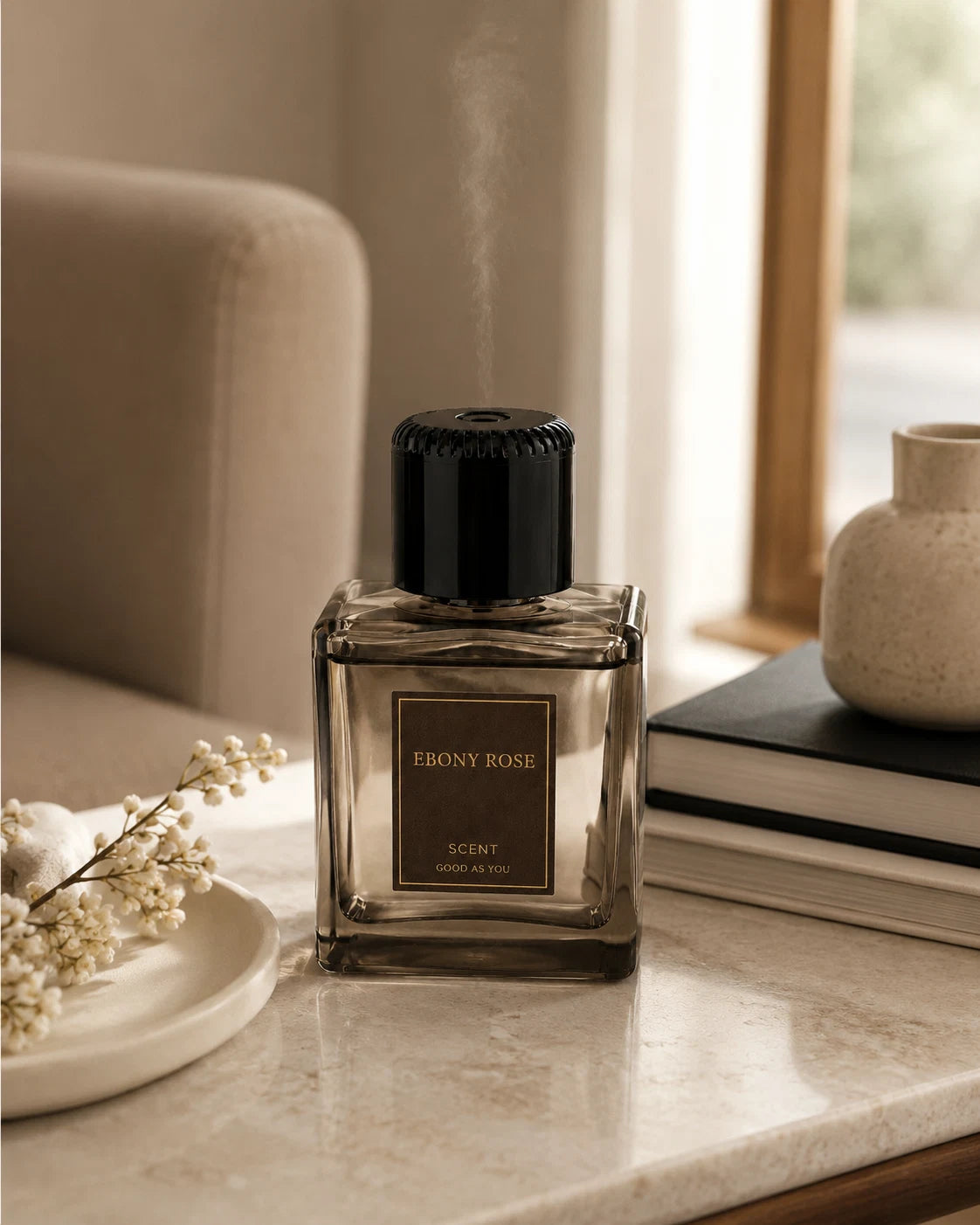
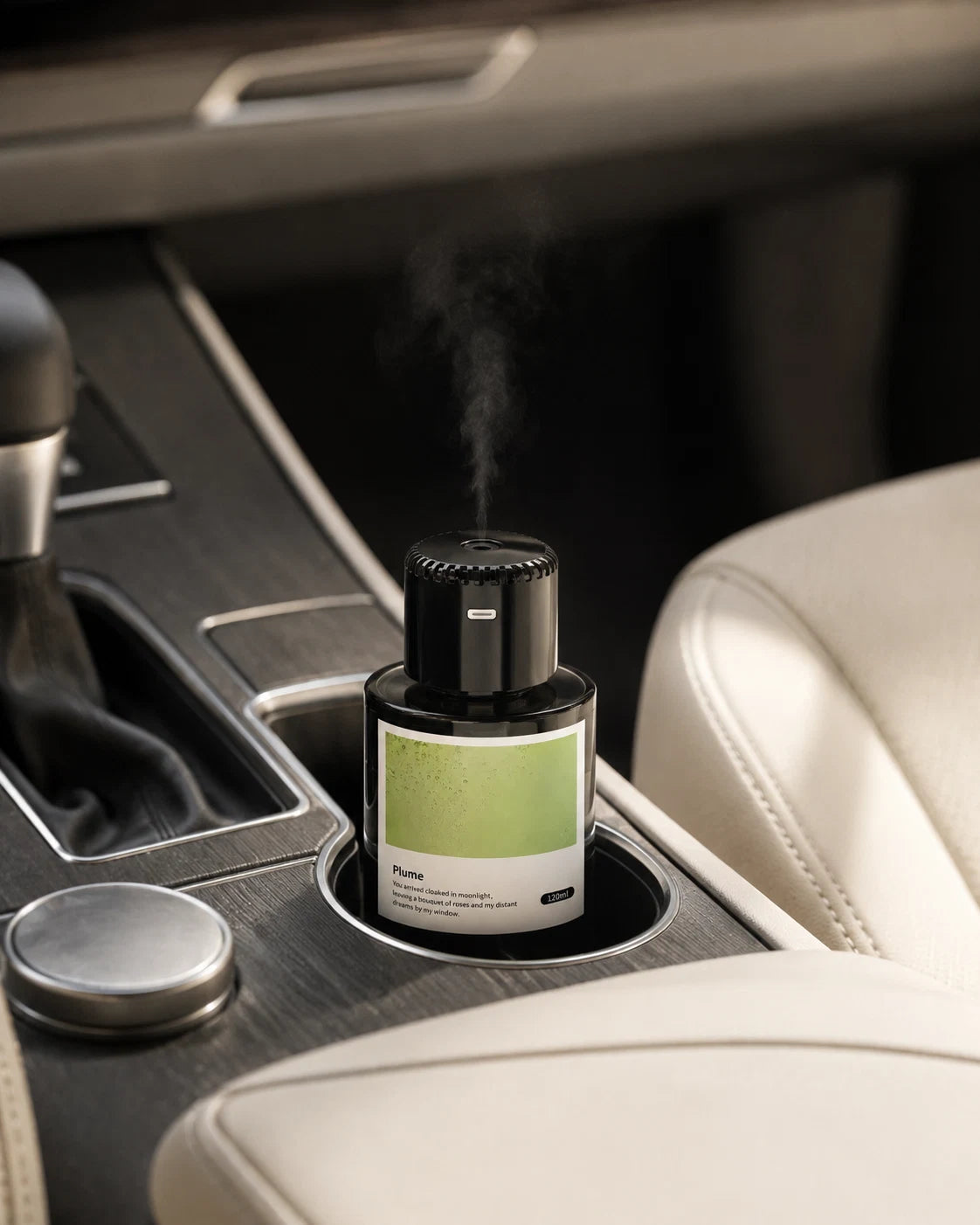

The best seasonal home fragrances spring summer fall winter choices are not fixed winners. They are fragrance directions that fit the atmosphere you want, the room, local climate, airflow, occupied hours, and the people sharing the space. Use the seasons as a decision framework, then choose notes and intensity according to real conditions rather than a universal calendar rule.
Best seasonal home fragrances spring summer fall winter selection method
Start with atmosphere, not a note name. Decide whether the room should feel airy, bright, grounded, warm, quiet, or celebratory. Then consider room function and intensity. A rich fragrance direction that works briefly in an entryway may feel heavy during a full evening in a bedroom.
Fragrance families are useful vocabulary, but they are not guarantees. The fragrance notes guide can help interpret descriptions before you choose a seasonal direction.
Spring: choose clarity and transition
Spring often suggests green, tea-like, airy floral, soft fruit, or light wood directions. The practical goal is usually transition: moving away from a dense winter atmosphere without making the home feel sharply perfumed. Start with one room and a conservative setting, especially when windows begin opening more often.
Who may enjoy this direction? People who want a lighter atmosphere or a gentle floral change. Who may not? Someone who prefers deep wood, resin-like warmth, or a very neutral home may find a conventional spring floral unnecessary.
Use case matters. A fresh green or tea-like direction can fit a daytime workspace, while a soft floral may suit a short entryway impression. Sakura and gardenia illustrate different floral choices, but neither is a universal seasonal answer. Use the Sakura scent guide and Gardenia scent guide to compare those directions.
Summer: account for heat and airflow
Summer selections often lean toward citrus-like brightness, clean woods, green notes, tea, restrained florals, or other clear profiles. Warm conditions and open airflow can change how quickly fragrance is noticed and how far it moves. Do not compensate automatically with stronger output.
A summer choice should be easy to live with during longer occupied hours. In an open living area, a moderate bright direction may be more comfortable than a dense profile. In a bedroom, simplicity and lower intensity may matter more than a seasonal label.
| Summer situation | Possible direction | Trade-off |
|---|---|---|
| Open windows or frequent doors | Clear, recognizable profile at conservative output | Airflow can make performance feel inconsistent |
| Long occupied hours | Restrained green, tea-like, or clean direction | Even a fresh scent can become tiring if too strong |
| Entertaining | Accessible profile that does not dominate food or conversation | Guest preferences vary |
Fall: select warmth without crowding the room
Fall can support woods, tea, soft spice-like accents, fruit, and deeper floral combinations. The season encourages warmth, but room size and ventilation still set the practical limit. A compact room may need a lighter interpretation than an open entryway.
Mountain-tea style directions can offer warmth without relying on a conventional sweet profile. The Mountain Tea scent guide provides one example. Use it as a direction to evaluate, not as a claim that one fragrance fits all fall routines.
Who may enjoy fall directions? People seeking a grounded, welcoming transition or a warmer evening atmosphere. Who may not? Someone in a hot climate or a small closed room may prefer to keep a brighter year-round profile.
Winter: balance depth with closed-room conditions
Winter descriptions often feature wood, amber-style warmth, vanilla-like comfort, resin-like depth, spice, or richer florals. At the same time, closed windows can make fragrance more noticeable. Start lower than the season’s imagery might suggest and adjust from the room’s response.
A winter living room may support a deeper direction during short evening periods. A bedroom may benefit from a quieter profile and easy stopping. Seasonal atmosphere should not override comfort or shared preference.
Compare the seasons by decision criteria
| Season | Common direction | Selection question | Main trade-off |
|---|---|---|---|
| Spring | Green, tea-like, airy floral | Does the room need a light transition? | Florals can still feel strong in small spaces |
| Summer | Bright, clean, citrus-like, restrained floral | How will heat and airflow change perception? | Open spaces can feel inconsistent |
| Fall | Wood, tea, fruit, soft spice-like warmth | How much depth fits the room? | Warm profiles can crowd compact spaces |
| Winter | Wood, amber-style, vanilla-like, rich floral | Will closed-room use increase intensity? | Seasonal imagery can encourage excess |
 Choose by room before buying by season
A kitchen, bedroom, entryway, and shared living area create different needs in every season. Define the room first, then use a seasonal family to refine the atmosphere. The room-by-room fragrance guide helps separate those decisions.
For shared spaces, ask whether other household members enjoy the same direction and whether the scent will overlap with another zone. One seasonal change can be enough; changing every room at once makes it harder to understand what works.
How to transition between seasonal fragrances
- Finish or store the current fragrance according to its instructions.
- Clean or change the fragrance path as the device guidance requires.
- Select one room for the first seasonal change.
- Begin with conservative intensity and a short observation period.
- Avoid mixing unfamiliar fragrances unless the product guidance permits it.
- Expand the direction to another room only when it remains comfortable.
 The broader seasonal home fragrance guide covers the routine of changing a home’s scent. This page focuses on buying and selection criteria by season.
Who seasonal rotation is—and is not—for
Seasonal rotation can suit people who enjoy changing atmosphere, already understand the fragrance families they like, and are willing to manage storage and changeover. It can also help a household create a purposeful event or arrival experience.
It is not required. A person who strongly prefers one fragrance family, has sensitivity concerns, or wants a minimal maintenance routine may be better served by one year-round direction with modest intensity adjustments.
Seasonal fragrance buying checklist
- Choose the desired atmosphere in plain language.
- Identify the room and occupied hours.
- Review the actual note description rather than the seasonal label alone.
- Consider climate, windows, ventilation, and overlapping zones.
- Confirm the fragrance format and current product instructions.
- Start with one room and conservative output.
- Keep personal comfort above seasonal convention.
Next step: shortlist a fragrance direction
Choose a family and room context first, then compare current fragrance descriptions. Verify the fragrance format and refill conditions, and do not assume that a note name creates the same experience for every person, climate, or season. The final choice should reflect the room and household rather than a seasonal label alone.
Frequently Asked Questions
Which fragrance families suit each season?
Spring often suggests green, tea-like, or airy floral directions; summer may favor bright and restrained profiles; fall can support woods and tea; winter may suit deeper warm directions. These are starting points, not rules.
How should home fragrance change between seasons?
Change one room at a time, follow the device’s changeover instructions, start conservatively, and observe climate, airflow, and household preference before expanding.
Can one fragrance work year-round?
Yes. If a fragrance family suits the household and rooms, it can remain year-round. Seasonal rotation is optional and should never replace personal comfort.


Hinterlasse einen Kommentar
Diese Website ist durch hCaptcha geschützt und es gelten die allgemeinen Geschäftsbedingungen und Datenschutzbestimmungen von hCaptcha.